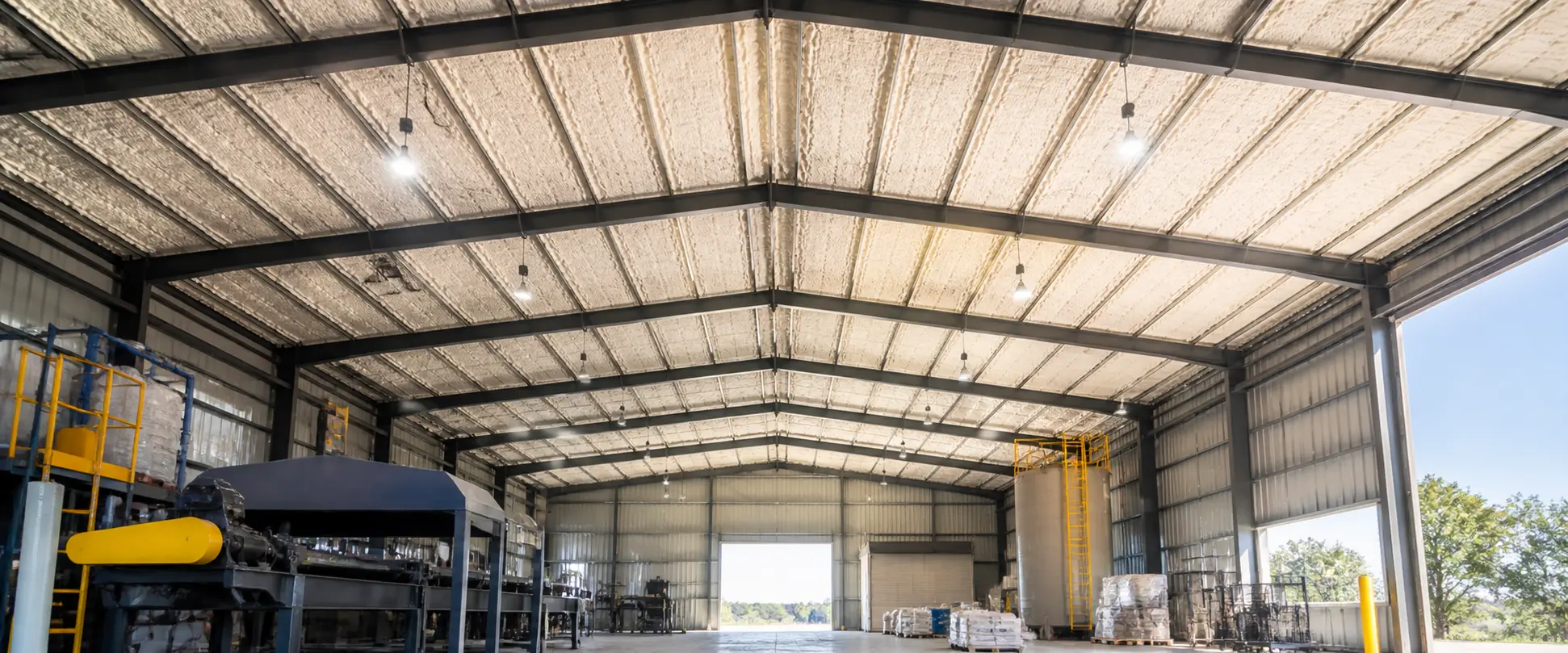
Industrial insulation Brisbane services help businesses control heat, reduce energy costs and improve overall building performance. In a climate like Brisbane, where high temperatures and humidity directly impact large industrial structures, insulation becomes essential rather than optional.
In many cases, buildings struggle with heat gain because of poor roof performance. As a result, indoor temperatures become difficult to manage and energy costs increase. From experience working across different projects, industrial spaces behave very differently from residential properties. Therefore, choosing the right system from the start makes a significant difference.
What Is Industrial Insulation and Why It Matters
Industrial insulation includes systems designed to reduce heat transfer, control temperature and protect building structures in large-scale environments.
Unlike residential insulation, these systems must handle:
- large surface areas
- high internal volumes
- constant exposure to heat
- mechanical and operational demands
Because of this, businesses rely on proper insulation to maintain stable conditions. In addition, good insulation improves efficiency and reduces long-term operating costs.
Types of Industrial Buildings That Need Insulation
Different facilities require different approaches. For example, a warehouse behaves very differently from a manufacturing plant.
Warehouses
Warehouses often suffer from heat buildup due to large metal roofs. As a result, indoor temperatures rise quickly during the day.
Factories and Manufacturing Plants
These environments require stable conditions. Otherwise, machinery performance and worker productivity can be affected.
Commercial Buildings
Larger commercial buildings benefit from consistent indoor temperatures. In turn, this improves comfort and reduces energy use.
HVAC and Mechanical Systems
Insulation also protects pipes and ducts. Therefore, systems operate more efficiently and lose less energy.
Common Problems in Industrial Buildings Without Proper Insulation
Heat Transfer and Energy Loss
Metal structures absorb heat quickly. Consequently, that heat transfers directly into the building.
Condensation and Moisture Issues
When warm air meets cooler surfaces, condensation forms. Over time, this can damage equipment and stored materials.
High Operating Costs
Because buildings lose energy, cooling systems must work harder. As a result, electricity costs increase.
From experience, these issues usually appear together rather than individually.
CTA — Improve Your Building Performance
Button text: Get a Free Commercial Quote
Businesses looking to improve efficiency can explore commercial spray foam insulation solutions in Brisbane to reduce heat transfer and energy loss.
Industrial Insulation Solutions Available in Brisbane
Several solutions are available depending on the building and its use.
Spray Foam Insulation
Spray foam expands during application and fills gaps. As a result, it creates a continuous insulation layer.
Thermal Insulation Systems
These systems reduce heat transfer through walls and roofs. In addition, they help maintain stable internal temperatures.
Acoustic Insulation
Some facilities require noise control. Therefore, acoustic insulation helps improve working conditions.
Fireproofing Insulation
Fire-resistant materials improve safety. In many cases, they also help meet compliance requirements.
Why Spray Foam Is Widely Used in Industrial Insulation
Spray foam is widely used because it solves multiple problems at once.
For example, it:
- reduces heat transfer
- seals air leaks
- improves efficiency
- helps control moisture
In Brisbane projects, installers often apply it directly to metal roofs. As a result, the building gains a continuous protective barrier.
Industrial Insulation Installation Process
A proper installation always starts with an inspection. First, the installer evaluates the building structure. Then, they identify heat transfer areas and moisture risks.
After that, they select the appropriate insulation system. Finally, they apply the material based on the building’s requirements.
From experience, installation quality plays a critical role. Even the best material will underperform if the application is poor.
Industrial Insulation Costs and ROI
Costs vary depending on several factors. For instance:
- building size
- insulation type
- installation complexity
- accessibility
Although some systems cost more upfront, they often provide better long-term value. Over time, businesses benefit from:
- lower energy bills
- improved efficiency
- reduced maintenance
Book a Site Assessment
Request a Free Site InspectionReal Example: Industrial Insulation Project
One project involved a large facility with a metal roof. During summer, the building became extremely hot. As a result, workers felt uncomfortable and cooling systems ran constantly.
After inspecting the structure, we identified significant heat transfer through the roof. Then, we installed a suitable insulation system.
Immediately, the internal temperature became more stable. In addition, energy consumption decreased. This type of result is common when insulation is done correctly.
Common Mistakes Businesses Make
Choosing Based Only on Price
Some businesses focus only on cost. However, cheaper solutions often fail in the long term.
Ignoring Roof Insulation
The roof usually causes the biggest heat gain. Therefore, ignoring it leads to poor results.
Poor Installation
Incorrect installation reduces performance. As a result, the insulation does not deliver expected benefits.
Delaying Upgrades
Many businesses delay improvements. Consequently, they continue to lose money through inefficiency.
Where Else Insulation Can Be Applied
Industrial insulation often overlaps with other applications. For example, mixed-use properties may also benefit from residential spray foam insulation services in Brisbane.
Similarly, buildings with major roof issues can improve performance with roof spray foam insulation in Brisbane.
Speak With an Insulation Specialist
Get Your Free Insulation QuoteFrequently Asked Questions About Industrial Insulation in Brisbane
What is the best insulation for industrial buildings
The best option depends on the building. However, spray foam often works well for large metal structures.
Does insulation reduce energy costs
Yes. It reduces heat transfer and improves efficiency. As a result, energy consumption decreases.
Can insulation help with condensation
Yes. It stabilises temperatures and limits moisture buildup.
Is it worth the investment
In most cases, yes. Businesses benefit from improved performance and lower costs over time.
Conclusion
Industrial buildings in Brisbane face constant challenges from heat, humidity and large exposed surfaces. Without proper insulation, these issues increase costs and reduce efficiency.
However, the right insulation system can significantly improve performance. By reducing heat transfer and controlling moisture, businesses create more efficient and comfortable environments.