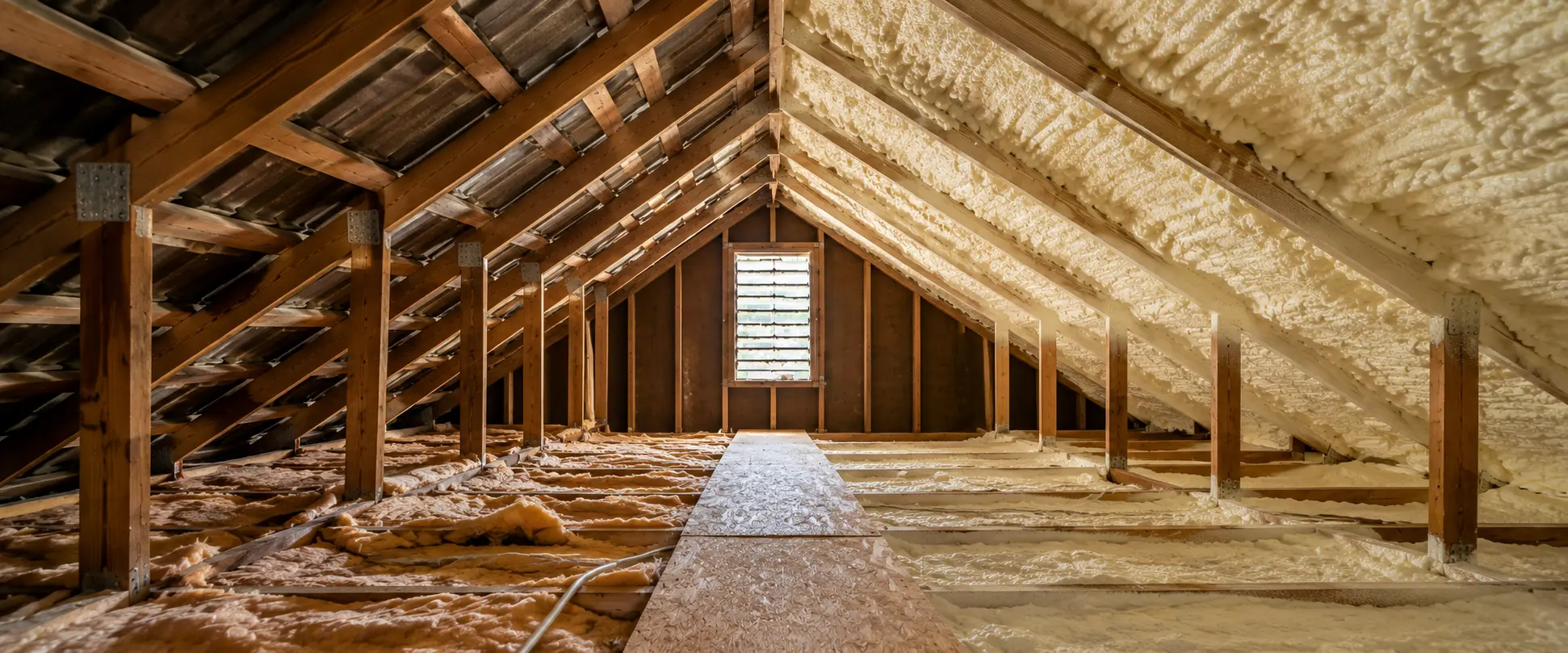
how-long-does-spray-foam-insulation-last is a common question when someone compares insulation options. The short answer is simple. Spray foam insulation can last for decades when it is installed correctly.
For many Brisbane homes and commercial buildings, spray foam is not just about comfort. It also helps with air sealing, moisture control, and long-term energy performance. In my experience, the real lifespan depends on product quality, surface preparation, and installation standards.
How Long Does Spray Foam Insulation Last in Real Conditions?
Spray foam insulation is designed to be a long-term insulation system. In many properties, it can last 30 years or more. Some properly installed applications may perform for the life of the building.
However, that does not mean every job delivers the same result. Poor preparation can reduce performance. Incorrect thickness can also affect the outcome. Therefore, the answer depends on the type of foam, the installer, and the building environment.
Open cell spray foam and closed cell spray foam behave differently. Open cell foam is softer and more flexible. It works well for sound control and air sealing. Closed cell foam is denser and stronger. It also provides a higher R-value per thickness.
In Brisbane, heat, humidity, roof ventilation, and building movement all matter. A roof cavity can be harsher than an internal wall. Metal sheds and warehouses also face heat transfer and condensation issues. Because of this, the installation method is just as important as the product.
When I analyse spray foam projects, I look at the substrate first. The foam must bond properly to timber, metal, masonry, or roof surfaces. If the surface is dusty, damp, oily, or unstable, adhesion can suffer. As a result, the insulation may not perform as expected.
A good installation should remain stable after curing. It should not sag, crumble, or pull away from the surface. Over time, the foam should keep its shape and continue sealing gaps. That is one reason many owners choose spray foam over traditional batts.
Traditional insulation can shift, compress, or leave air gaps. Spray foam expands into cavities and seals small openings. Therefore, it can maintain a more consistent barrier when applied correctly.
If you are comparing options for a home, start with the building area. For houses, roof cavities and internal areas often have different needs. You can learn more about residential applications through our page on residential spray foam insulation in Brisbane.
Request a Spray Foam AssessmentWhat Affects the Lifespan of Spray Foam Insulation?
The lifespan of spray foam depends on several practical factors. Product type is important, but installation quality often matters more. Even premium foam can fail early when applied badly.
Surface preparation is one of the biggest factors. Foam needs a clean and suitable surface to bond correctly. If dust, rust, moisture, or oil is present, adhesion may weaken. Consequently, gaps or separation can appear later.
Thickness also matters. Spray foam must be installed at the right depth for the area. Too little foam may not deliver the expected thermal resistance. Too much foam in one pass may also cause curing problems. A trained installer knows how to apply it safely.
Ventilation and moisture conditions can also affect performance. Spray foam can help reduce air leakage. However, it should be used as part of a proper building strategy. In roof cavities, the installer should understand condensation risk, roof materials, and local climate.
In my experience, many insulation problems come from treating every building the same. A Brisbane home is not the same as a cold-climate property. A metal shed is not the same as a plasterboard wall. For that reason, the application should match the building.
Exposure is another key issue. Spray foam usually performs best when protected from direct sunlight and physical damage. UV exposure can degrade exposed foam over time. Therefore, exterior or exposed applications may require coating or protection.
Pests, leaks, and renovation work can also damage insulation. Spray foam is durable, but it is not indestructible. If a roof leak remains active, surrounding building materials can still suffer. Likewise, trades can cut or remove foam during later work.
Building movement may affect some areas. Open cell foam can handle movement better because it is flexible. Closed cell foam is more rigid, so it suits different conditions. The best choice depends on the project.
For commercial properties, the same principle applies. Warehouses, factories, and commercial roofs need the right system. If the goal is heat control, condensation reduction, or air sealing, planning is essential. See our commercial spray foam insulation Brisbane service for more context.
how-long-does-spray-foam-insulation-last Compared With Other Insulation?
how-long-does-spray-foam-insulation-last becomes easier to understand when you compare it with other insulation types. Many traditional materials can perform well at first. However, they may lose effectiveness when they move, settle, compress, or absorb moisture.
Fibreglass batts are common in many homes. They are affordable and widely available. Still, they depend on careful fitting. If gaps remain around beams, pipes, downlights, or edges, air can move through the space. As a result, performance can drop.
Loose-fill insulation can also settle over time. Once it settles, coverage may become uneven. That can create weak points in the insulation layer. In contrast, spray foam adheres to the surface and forms a continuous barrier.
Reflective foil can help with radiant heat when installed correctly. However, it usually needs an air gap to work properly. Dust can also reduce reflective performance. Therefore, it may not solve air leakage by itself.
Spray foam offers a different advantage. It insulates and air seals at the same time. This is important because air leakage can reduce comfort. It can also make heating and cooling less efficient.
What I have seen is that many owners focus only on R-value. That number matters, but it is not the full story. A material with a good R-value can still underperform when air gaps exist. Spray foam helps reduce those weak points.
Closed cell foam can also add rigidity to some structures. This makes it useful in selected metal and commercial applications. Open cell foam, meanwhile, can help with sound reduction and internal comfort. Each type has a place.
The main difference is stability. Spray foam does not rely on gravity or friction to stay in position. Once bonded and cured, it should remain in place unless damaged. That can support a longer useful life.
Still, installation must be done correctly. Spray foam is not a DIY-friendly product for most property owners. Equipment, mixing ratio, temperature, and safety practices matter. Therefore, professional application is important.
how-long-does-spray-foam-insulation-last in Roof Cavities?
how-long-does-spray-foam-insulation-last in a roof cavity depends on heat, moisture, and roof condition. A roof cavity can expose insulation to high temperatures. Brisbane roofs can become very hot during summer. Therefore, product choice and installation detail matter.
Spray foam roof insulation can last for decades when the roof is sound. However, roof leaks should be repaired first. Foam should not be used to hide building defects. Instead, it should be installed after the roof area is inspected.
Roof cavities also need careful planning around ventilation and services. Electrical wiring, downlights, exhaust fans, and access points should be considered. A professional installer will assess these details before spraying.
When installed properly, foam can reduce heat transfer through the roofline. It can also seal many small gaps where air enters. For more detail, see our page on roof spray foam in Brisbane.
Get Advice for Your Roof CavitySigns Spray Foam Insulation May Need Inspection
Spray foam insulation is low-maintenance, but it should not be ignored forever. Property owners should inspect it if comfort changes suddenly. They should also check it after leaks, roof repairs, pest issues, or renovations.
One sign is visible separation. If foam pulls away from the surface, the air seal may be affected. This can happen when the surface was not prepared correctly. It may also happen if the building area has changed.
Another warning sign is crumbling or powdery foam. Properly cured foam should remain stable. If it breaks apart easily, the product may have been exposed to UV, moisture, or incorrect application conditions.
Odour can also indicate a problem. Spray foam has a curing period after installation. However, persistent unusual smells should be investigated. In that case, a qualified professional should assess the area.
Moisture stains are also important. Spray foam can help manage air leakage, but it does not replace roof maintenance. If water enters through damaged roofing, flashing, or gutters, the source must be repaired.
In my experience, the best time to inspect insulation is during other maintenance. Roof checks, pest inspections, or renovation planning are good opportunities. You do not need to disturb the foam unless there is a reason.
Thermal discomfort can also be a clue. If one room becomes much hotter or colder than before, insulation may have been disturbed. Sometimes the issue is not the foam itself. Ductwork, roof leaks, or new penetrations can create the problem.
For commercial buildings, inspections are especially useful after mechanical work. Contractors may cut or remove insulation to access services. If the foam is not repaired, the building envelope may lose performance.
A basic visual inspection can identify obvious damage. However, do not cut or remove foam without a reason. Unnecessary removal can create new gaps. Instead, document the issue and get professional advice.
How to Help Spray Foam Last Longer
The best way to extend spray foam lifespan is to start with proper installation. The surface must be suitable, clean, and dry. The foam must also be applied at the right thickness and under correct conditions.
Before installation, repair roof leaks and moisture problems. This is especially important in roof cavities, sheds, and commercial roofs. Foam should support a better building envelope. It should not be used to cover active defects.
Choose the right foam type for the job. Open cell foam suits some internal and residential applications. Closed cell foam suits other areas where density, moisture resistance, or strength is important. A good installer will explain the difference clearly.
Protect exposed foam from UV light. Spray foam exposed to sunlight can degrade over time. Therefore, exposed applications may need coating, lining, or another protective finish. This is common in certain commercial or shed projects.
Avoid unnecessary damage during renovations. Trades should know where spray foam has been installed. If sections are cut away, they should be repaired later. Otherwise, air gaps can reduce performance.
In my experience, maintenance is usually simple. The building owner should keep the roof watertight, control pests, and inspect after major works. These steps protect the insulation and the structure around it.
Good documentation also helps. Keep photos of the installation if possible. Note the foam type, installer details, and application areas. Later, this information can help during repairs or renovations.
Finally, work with professionals who understand local conditions. Brisbane buildings deal with heat, humidity, storms, and mixed construction styles. Therefore, local knowledge can improve the final result.
Can Spray Foam Be Repaired or Topped Up?
Yes, spray foam can often be repaired when damage is localised. Small sections may be removed and resprayed. This depends on the condition of the existing foam and the surface underneath.
Topping up may also be possible in some cases. However, the installer must check compatibility and adhesion. They should also confirm that the existing foam is clean and stable.
If the foam failed because of moisture, the moisture source must be fixed first. Otherwise, the new foam may face the same issue. Proper diagnosis is always better than a quick patch.
Ask for a Brisbane Spray Foam QuoteFAQs About Spray Foam Insulation Lifespan
How long does spray foam insulation usually last?
Spray foam insulation can last for decades when installed correctly. In many cases, it may last 30 years or more. The exact lifespan depends on foam type, installation quality, and building conditions.
Does closed cell spray foam last longer than open cell foam?
Closed cell foam is denser and more rigid. It may suit harsher areas better. However, open cell foam can also last a long time when used in the right location.
Can spray foam insulation degrade over time?
Yes, it can degrade if exposed to UV light, water leaks, or physical damage. Poor installation can also reduce lifespan. Therefore, proper preparation and protection are important.
Does spray foam insulation need maintenance?
Spray foam usually needs little maintenance. However, you should inspect it after leaks, roof repairs, pest damage, or renovation work. This helps catch problems early.
Is spray foam better than batts for long-term performance?
Spray foam can offer stronger long-term air sealing because it bonds to surfaces. Batts can work well, but they may shift or leave gaps. The best option depends on the building.
Should old spray foam insulation be removed?
Old spray foam does not need removal if it is stable and performing well. Removal may be needed if it is damaged, wet, badly installed, or blocking necessary repairs.
Can roof spray foam insulation last in Brisbane heat?
Yes, roof spray foam can last in Brisbane when installed correctly. The roof should be sound, dry, and suitable before installation. Product choice is also important.
Why does installation quality affect lifespan so much?
Spray foam depends on correct mixing, temperature, surface preparation, and application thickness. If those factors are wrong, performance can suffer. That is why professional installation matters.
Final Thoughts: Is Spray Foam a Long-Term Investment?
how-long-does-spray-foam-insulation-last matters because insulation is not something owners want to replace often. When installed properly, spray foam can deliver long-term comfort, air sealing, and thermal performance.
The key is not just buying spray foam. The real value comes from choosing the right foam, applying it correctly, and protecting it from avoidable damage. In my experience, that is where long-term results are won or lost.
If your goal is to improve comfort in a Brisbane home, roof cavity, shed, or commercial building, spray foam is worth considering. A proper assessment will show whether it suits your property and what type is best.