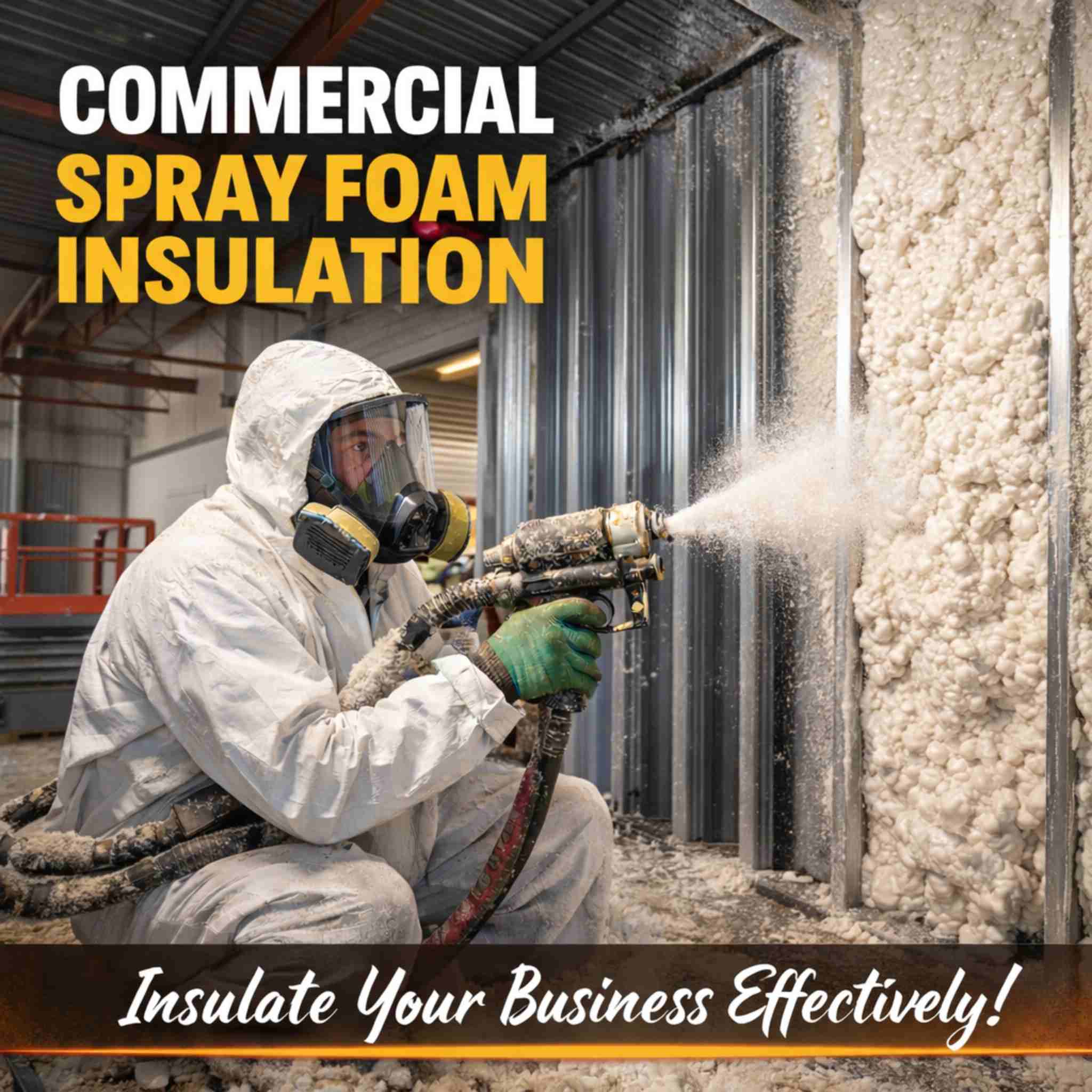
Spray foam insulation has become one of the fastest-growing insulation solutions in Australia, and for good reason. When installed correctly, it seals, insulates and protects buildings far better than traditional batts or loose-fill insulation.
After working with spray foam across residential roofs, commercial sheds and retrofit projects, I can confidently say: it’s not for everyone, but when it’s right, nothing else compares.
In this guide, I’ll break down exactly how spray foam insulation works, how much it costs in Australia, open vs closed cell differences, pros and cons, and when it actually makes sense without sales fluff.
Want to know if spray foam insulation is right for your property? Get expert advice based on your roof type, building use and climate conditions before you make a decision.
Get a Free quote →What Is Spray Foam Insulation and How Does It Work?
Spray foam insulation is a two-component liquid polyurethane system that expands on contact, filling gaps, cracks and cavities. Once cured, it becomes a solid insulation layer that also acts as an air seal.
Unlike fibreglass or polyester batts that only slow heat transfer, spray foam:
- Blocks air movement
- Reduces moisture ingress
- Improves structural rigidity (closed cell)
That air-sealing capability alone explains why spray foam often outperforms other insulation types even at similar R-values.
Open Cell vs Closed Cell Spray Foam (Critical Differences)
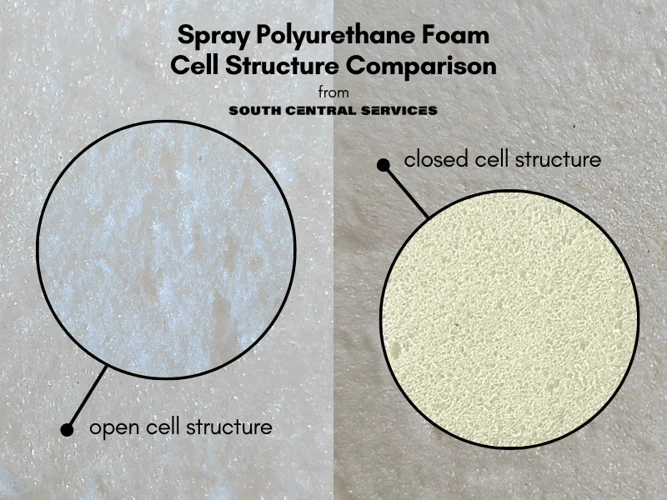
Choosing the wrong type is one of the biggest mistakes I see homeowners make.
Open Cell Spray Foam
- Lower density, soft texture
- Expands aggressively
- R-value ≈ R3.5 per 100mm
- Allows vapour permeability
- Excellent for internal walls & soundproofing
Best for: internal partitions, noise reduction, budget-conscious projects.
Closed Cell Spray Foam
- High density, rigid finish
- R-value ≈ R6–7 per 100mm
- Acts as vapour & moisture barrier
- Adds structural strength
- Superior thermal performance
Best for: roofs, sheds, metal buildings, coastal or humid zones.
👉 In hot Australian climates, closed cell spray foam in roofs delivers the fastest payback.
Not sure whether open cell or closed cell spray foam is the better fit? We can help you compare performance, moisture resistance and cost based on your building and goals.
Compare Foam Options →Spray Foam Insulation Cost in Australia (Realistic 2026 Pricing)
Costs vary by access, thickness and foam type, but here’s what’s realistic today:
| Type | Average Cost (AUD/m²) |
|---|---|
| Open cell | $45 – $70 |
| Closed cell | $70 – $120 |
| Roof applications | $85 – $130 |
| Commercial sheds | $90 – $140 |
💡 From my experience, cheap spray foam quotes usually mean reduced thickness or poor prep, which kills performance.
Request a Custom Quote →Is Spray Foam Insulation Worth It in Australia?
Short answer: Yes—when installed correctly and used in the right applications.
Advantages
- Exceptional thermal performance
- Eliminates air leakage
- Reduces condensation risk
- Improves indoor comfort year-round
- Long lifespan (30+ years)
- Can reduce HVAC costs by 30–50%
Disadvantages (Rarely Explained Honestly)
- Higher upfront cost
- Requires professional installation
- Poor installers can cause off-gassing issues
- Difficult to remove once applied
I’ve seen failed installs—not because spray foam is bad, but because installer experience matters more here than any other insulation type.
Spray foam performs best in:
- Roof cavities (especially metal roofs)
- Commercial sheds & warehouses
- Transportable buildings
- Retrofit projects with limited space
- Homes with extreme heat gain issues
It’s often overkill for simple wall cavities—and that honesty is missing from most competitor articles.
Spray Foam vs Traditional Insulation (Batts, Cellulose, Polyester)
| Feature | Spray Foam | Fibreglass Batts |
|---|---|---|
| Air sealing | ✅ Excellent | ❌ Poor |
| Moisture resistance | ✅ High (closed cell) | ❌ Low |
| Lifespan | 30+ years | 10–15 years |
| Install quality impact | High | Medium |
| Cost | Higher | Lower |
Batts still make sense for some homes—but they don’t solve airflow, which is the biggest energy loss in Australian houses.
Compare Insulation SystemsSafety, VOCs & Indoor Air Qualit
Modern Australian-approved spray foams are low-VOC once cured. Problems arise when:
- Incorrect mix ratios are used
- Inadequate curing time is allowed
- Poor ventilation during install
A professional installer should always:
- Vacate occupants during install
- Ventilate the property
- Provide curing timelines
If they don’t—walk away.
How to Choose a Spray Foam Installer (This Matters More Than Price)
From real-world experience, ask:
- How many years installing spray foam?
- What foam brand & certification do they use?
- Can they show roof-specific installs?
- Do they measure final foam thickness?
The installer is the system. Competitors barely touch this, and it’s why many spray foam horror stories exist.
Choosing the right installer matters more than choosing the cheapest quote. Get advice from a team with proven experience in spray foam roof, shed and retrofit applications.
Speak With a Local ExpertFrequently Asked Questions
Does spray foam increase property value?
Indirectly, yes—via improved energy efficiency and comfort.
Can spray foam cause condensation?
Incorrect installs can. Proper closed-cell application actually reduces condensation risk.
Is spray foam insulation waterproof?
Closed cell is water-resistant, not fully waterproof.
How long does spray foam last?
Typically 30–50 years with no performance degradation.
Final Verdict: Should You Use Spray Foam Insulation?
If you want maximum thermal performance, long-term savings and airtight construction, spray foam insulation is one of the best options available in Australia.
It’s not the cheapest—but it’s often the most effective, especially in roofs and metal structures where traditional insulation fails.
Thanks for reaching out! Specialised spray foam can be a great upgrade over traditional insulation because it creates a tighter building envelope, helping reduce drafts and improve overall comfort. If you’re in Brisbane, we offer a free site visit & measure—happy to provide a clear quote once we’ve seen the space.