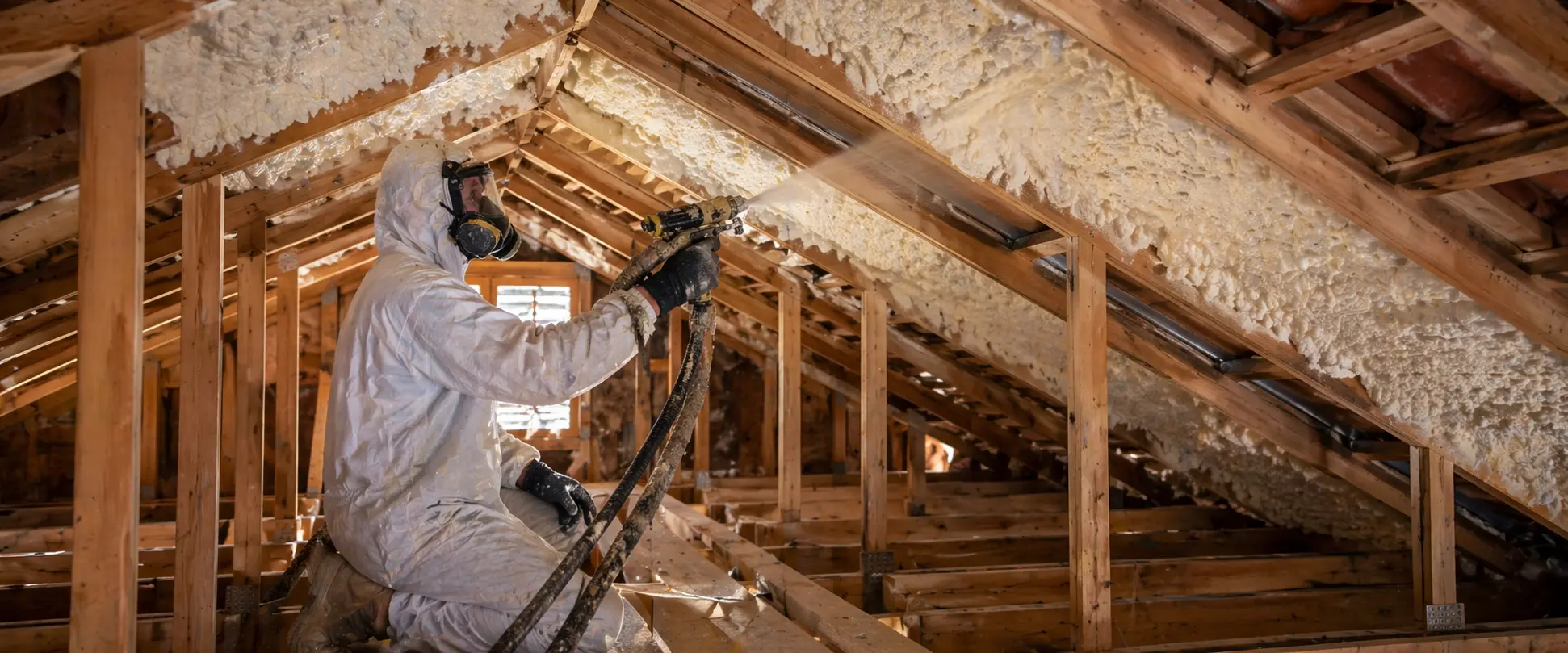
This spray foam roof insulation guide explains how this insulation system works, why it performs so well in Brisbane conditions, and what homeowners should know before choosing it for a roof cavity, garage, shed or commercial building. In a climate with long hot summers, strong sun exposure and humid conditions, the roof is often one of the biggest sources of heat gain inside a property.
Many buildings still rely on batts or foil products, and while those materials can help, they do not always deal well with air leakage, uneven coverage or long-term performance issues. That is why many property owners now look at spray-applied insulation as a more complete solution.
From experience working on insulation projects across Brisbane, roof upgrades are often where clients notice the biggest change in comfort. Once the roof space is treated properly, indoor temperatures become easier to control and cooling systems do not have to work as hard.
Why Roof Insulation Matters So Much in Brisbane
Brisbane homes and buildings deal with intense heat through the roof for much of the year. If the roof cavity is poorly insulated, that heat builds up quickly and pushes into the rooms below.
Common signs of poor roof insulation include:
- rooms that heat up too quickly in the afternoon
- uneven temperatures across the house
- high cooling costs
- hot upper floors or ceiling areas
- condensation issues in some roof structures
One thing I have seen again and again is that many homeowners assume they already have enough insulation, only to find out the existing product has shifted, compressed or left gaps around framing and services.
Get a Free Spray Foam QuoteIf you are planning an upgrade, professional residential spray foam insulation services in Brisbane can help improve comfort and long-term energy efficiency.
What Spray Foam Roof Insulation Actually Is
This type of insulation is applied as a liquid that expands quickly onto the underside of roofing materials or along the roofline. Once cured, it forms a continuous layer that insulates and seals at the same time.
That is the key difference compared with many traditional products. Instead of simply sitting inside the cavity, the foam adheres directly to the surface and closes off small cracks, junctions and irregular spaces where air can move through.
It is commonly used in:
- residential roof cavities
- garages and sheds
- workshops
- warehouses
- commercial buildings with metal roofing
Because it combines thermal performance with air sealing, it often delivers a more noticeable improvement than insulation that only slows heat transfer.
How It Works Inside a Roof Cavity
The material is created by combining two components during application. As they react, the foam expands and bonds to the surrounding structure.
That process helps with several performance issues at once:
- it reduces heat movement through the roof
- it seals small air leaks
- it improves consistency across irregular roof shapes
- it can help with condensation control in the right application
In Brisbane, this matters because roof heat is rarely the only issue. In many homes, the real problem is a mix of radiant heat, air leakage and patchy existing insulation.
Open Cell and Closed Cell Options
There are two main types used in roof insulation projects, and each one suits different situations.
Open Cell Foam
Open cell foam is lighter and expands more during application. It is often chosen for residential roof cavities where broad coverage and air sealing are the main priorities.
Typical advantages include:
- strong gap-filling ability
- effective air sealing
- good sound absorption
- lower cost than denser alternatives
Closed Cell Foam
Closed cell foam is denser, more rigid and offers a higher R-value per thickness. It is often chosen where moisture resistance, durability or higher thermal performance is especially important.
Typical advantages include:
- stronger insulation performance in thinner layers
- greater moisture resistance
- added rigidity
- high durability over time
The right option depends on the building, the roof structure and the goals of the project.
Main Benefits of Using Foam on a Roof
Property owners usually choose this system because it tackles several building-performance problems at once rather than solving only one.
Better Energy Efficiency
By reducing heat transfer through the roof and limiting uncontrolled air movement, it helps keep indoor temperatures more stable. This can reduce the load on air-conditioning systems.
Air Sealing as Well as Insulation
Traditional batts may insulate reasonably well when perfectly fitted, but they do not seal gaps around framing, penetrations or awkward roof geometry. Foam expands into those hard-to-reach areas.
Improved Moisture Control
In humid environments, temperature differences across metal or roof surfaces can create condensation. A properly specified system can help limit that issue by reducing surface temperature swings.
Long-Term Performance
Unlike some materials that slump, compress or move over time, cured foam stays bonded to the structure and maintains more consistent coverage.
Comparison With Traditional Roof Insulation
| Feature | Spray-Applied Foam | Insulation Batts |
|---|---|---|
| Air sealing | Excellent | Poor |
| Coverage around irregular shapes | Excellent | Moderate |
| Moisture resistance | Strong | Limited |
| Long-term consistency | Strong | Can shift or compress |
| Thermal performance | High | Moderate |
| Best for complex roof cavities | Yes | Not always |
This is why many homeowners find that a roof treated with foam performs better in real-world conditions, not just on paper.
A Real Brisbane Example
One project that always comes to mind was a home in Annerley where the upstairs bedroom was almost unusable in summer. Even with the air conditioner running constantly, the room stayed too hot.
When we inspected the roof cavity, the issue was obvious. The existing insulation had gaps, coverage was inconsistent, and hot air was moving through the roof structure.
After installing foam along the roofline, the improvement was immediate. The room became more comfortable and the family later told us their energy bills were easier to manage. That kind of result is one of the biggest reasons this approach has become so popular in Brisbane homes.
Request a Free Site InspectionHow Installation Usually Works
A proper job starts with an inspection, not with spraying straight away. That is important because the installer needs to understand how the building behaves before recommending a solution.
A typical process includes:
- checking the roof structure
- looking at access and safety conditions
- assessing existing insulation
- reviewing ventilation and moisture risks
- choosing the right foam type and thickness
- applying the product evenly across the required surfaces
One of the biggest mistakes homeowners make is assuming all insulation jobs are the same. In reality, preparation, thickness, ventilation and application quality all affect the final result.
What Affects the Cost
Pricing varies depending on the size and complexity of the project. The final quote usually depends on:
- roof area
- roof access
- open cell or closed cell selection
- thickness required
- preparation work
- complexity of the structure
While the upfront cost is usually higher than batts, many clients look at the longer-term value instead. Better thermal control, improved comfort and lower cooling demand can make the investment worthwhile.
For larger buildings, commercial spray foam insulation solutions in Brisbane are often used to improve temperature control over wide roof spans.
Where This Type of Insulation Works Best
It is especially effective in buildings where the roof is the main source of heat gain or where air leakage is reducing performance.
Common use cases include:
- family homes with hot upper rooms
- garages and sheds
- workshops
- metal-roofed buildings
- warehouses and commercial spaces
For roof-specific applications, roof spray foam insulation in Brisbane can make a significant difference to comfort and usability.
Get Your Free Insulation QuoteFrequently Asked Questions
Is this a good option for roof cavities?
Yes, especially where heat buildup and air leakage are major issues. It performs particularly well in roof spaces with awkward geometry or gaps that are hard to treat with standard products.
How long does it last?
When installed correctly, it can last for many years without shifting or compressing like some traditional materials.
Does it help reduce heat in upstairs rooms?
Yes. Because the roof is often the main source of heat gain, improving this part of the building can make upper rooms noticeably more comfortable.
Is it worth the higher upfront cost?
For many homeowners, yes. The main reasons are better comfort, more stable indoor temperatures and lower pressure on cooling systems.
Conclusion
If you are trying to improve comfort and reduce roof heat in a Brisbane property, this insulation method is one of the most effective options available. It does more than just slow heat transfer. It also seals gaps, improves consistency across the roof structure and helps the whole building perform better.
For homes, sheds and commercial buildings with hot roof spaces, a properly designed foam insulation system can make a noticeable difference almost immediately.